Fooyo blog

Blog

Longer reads on what we are building, and what we are learning while shipping it.

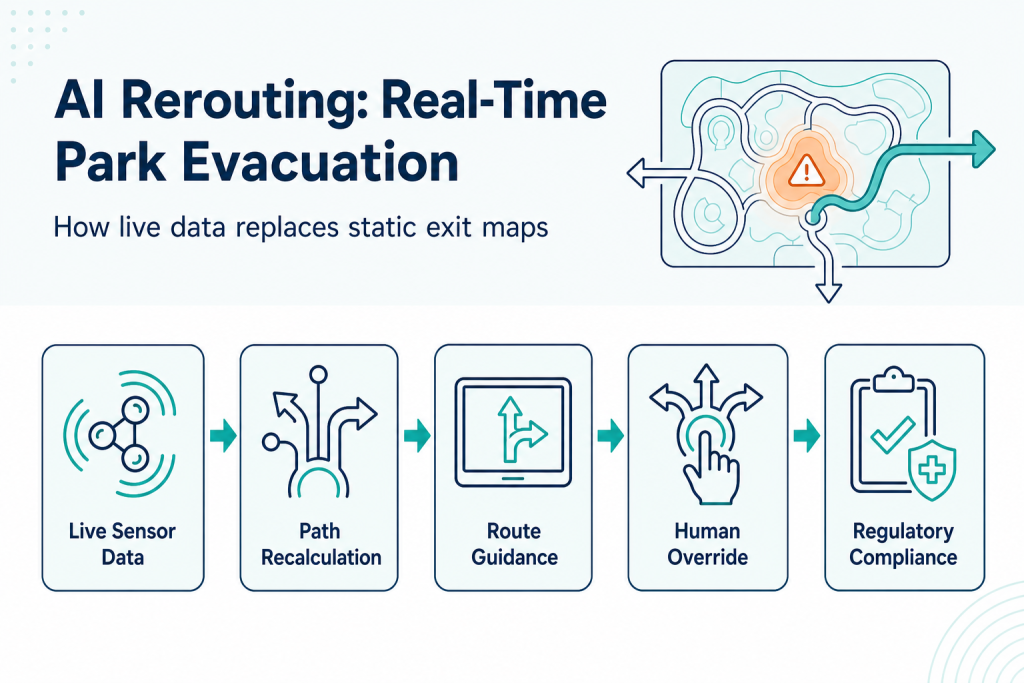
Theme Park Emergency Evacuation Routing: How AI Crowd Models Recalculate Safe Paths in Real Time

When an incident occurs inside a theme park, the single most important variable is not how fast people can move, it's how fast the route guidance can change. A fixed evacuation map printed on a wall assumes the nearest exit is always the right exit.

Read more
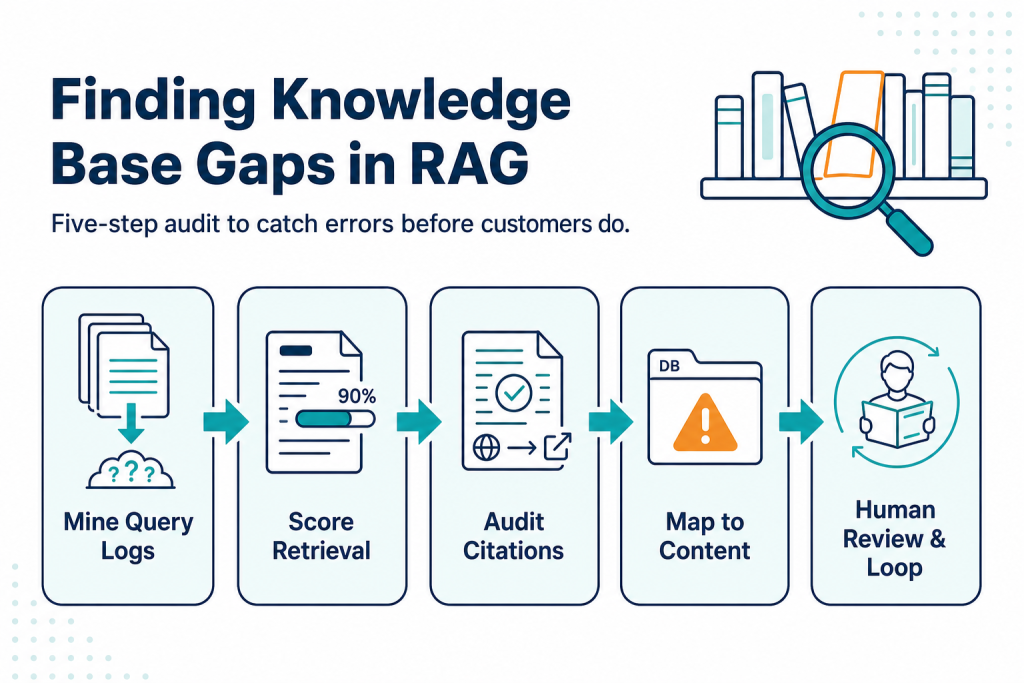
Knowledge Base Gap Analysis: How Enterprises Find Out What Their RAG System Doesn’t Know Yet

Knowledge base gap analysis is the systematic process of testing a retrieval-augmented generation (RAG) system against real or simulated questions to find out where its underlying knowledge base is missing, outdated, or contradictory, before those gaps surface as wrong answers

Read more

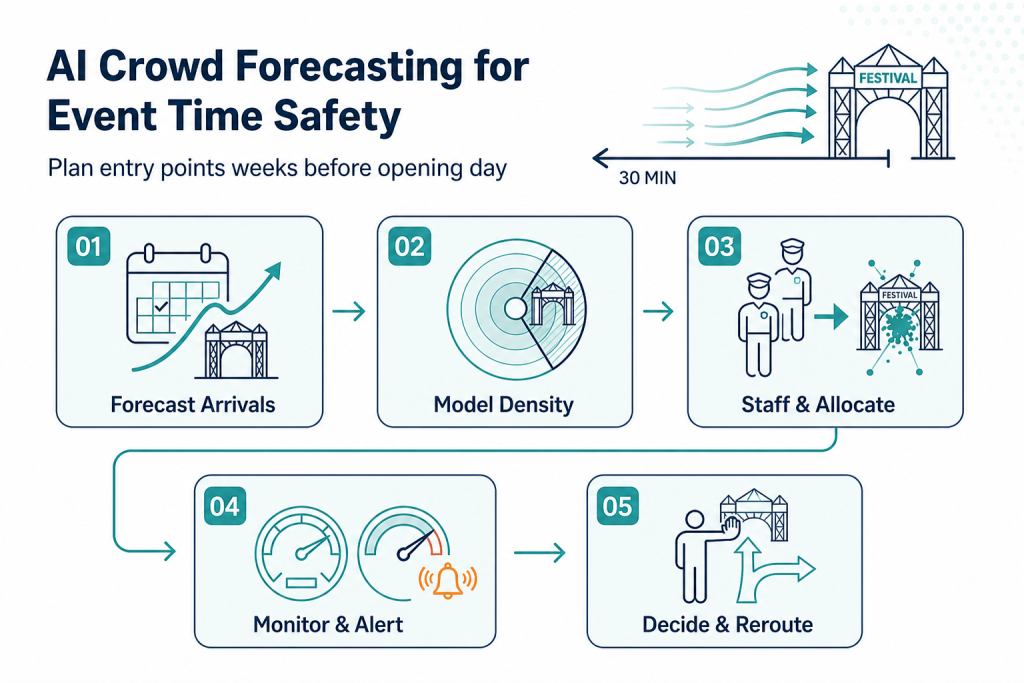
Festival and Event Crowd Surges: How AI Forecasting Helps Organizers Plan Entry Points Before Opening Day

Crowd surges at festivals and large events are largely preventable because the warning signs show up well before a crush happens. Dangerous crowd density is typically visible up to 30 minutes before a crush occurs, and researchers have identified specific early indicators,

Read more

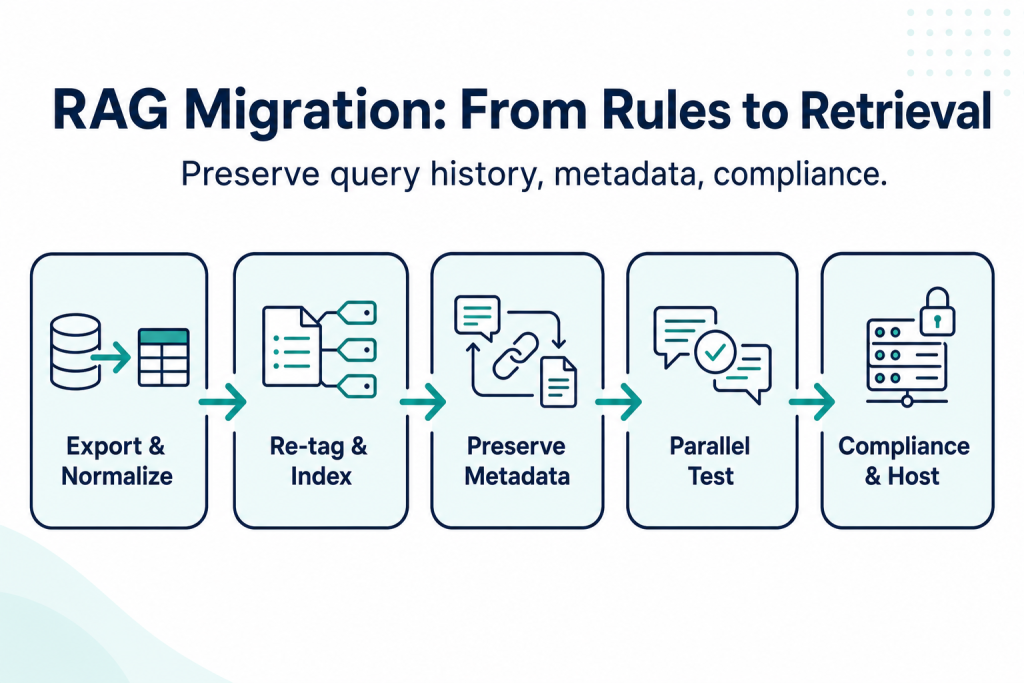
Knowledge Base Migration: Moving From a Legacy Chatbot to Grounded RAG Without Losing Query History

Migrating from a legacy chatbot to a grounded RAG knowledge base means moving your content, your query logs, and your retrieval logic into a new architecture that can cite its sources, without breaking the historical record of what users actually asked.

Read more

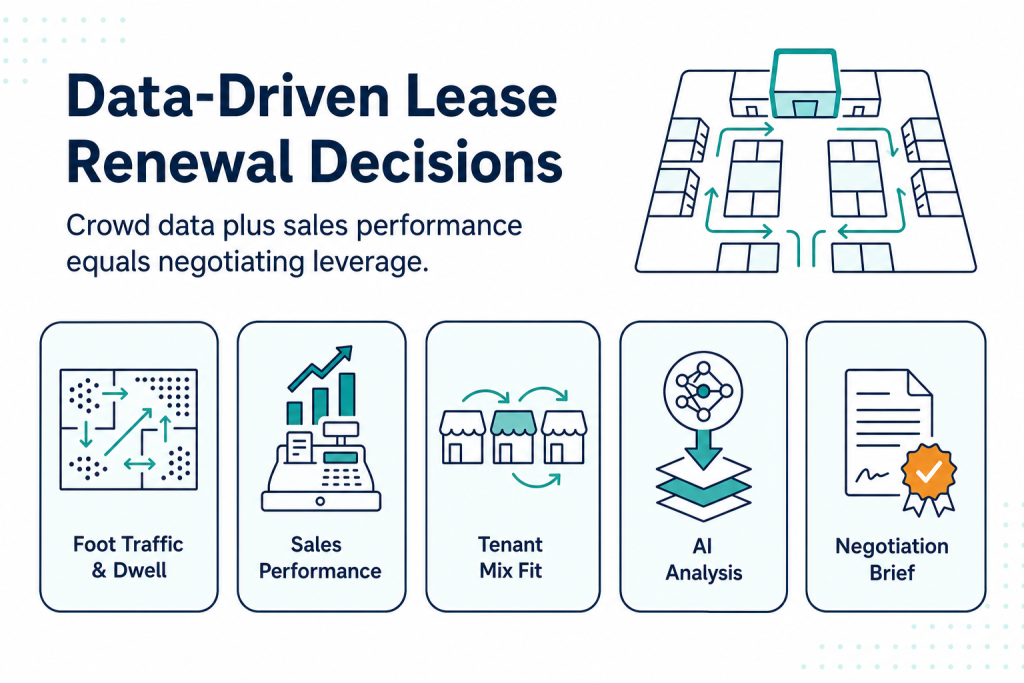
Shopping Mall Tenant Mix and Crowd Data: How AI Analytics Help Operators Negotiate Lease Renewals

Lease renewal negotiations go better when the landlord shows up with evidence instead of opinion. AI analytics platforms that combine crowd counting, point-of-sale data, and tenant performance metrics give mall operators a data-backed position at the negotiating table: which

Read more

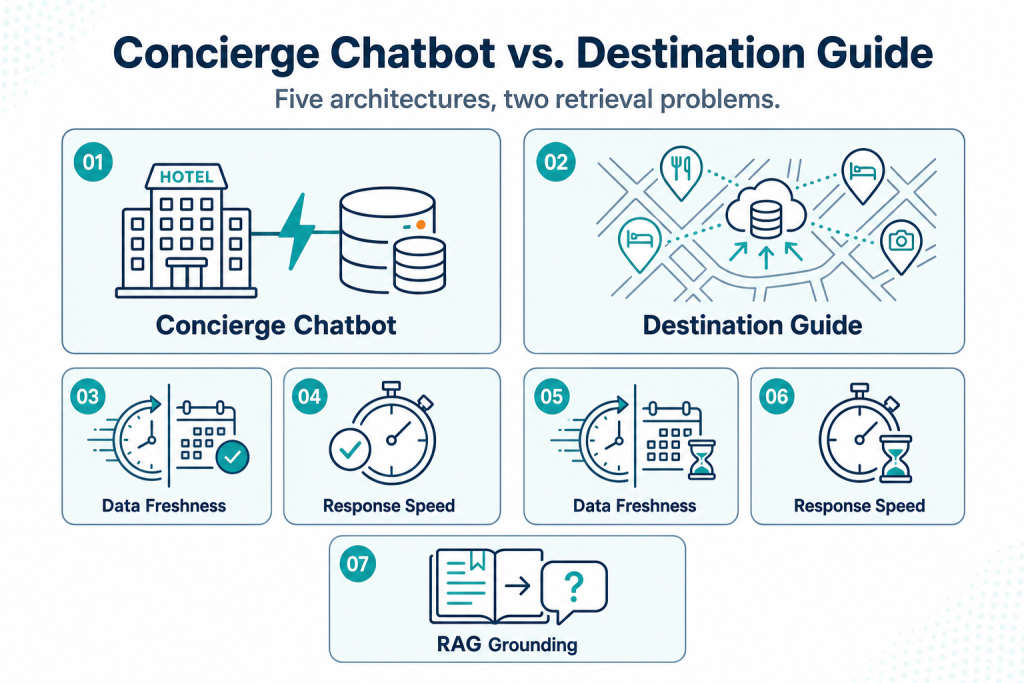
Hotel Concierge Chatbots vs. Destination AI Guides: Why the Underlying Knowledge Base Architecture Differs

A hotel concierge chatbot and a destination AI guide look similar from the outside, both answer questions in natural language, but they are built on fundamentally different knowledge base architectures because they solve different retrieval problems.

Read more

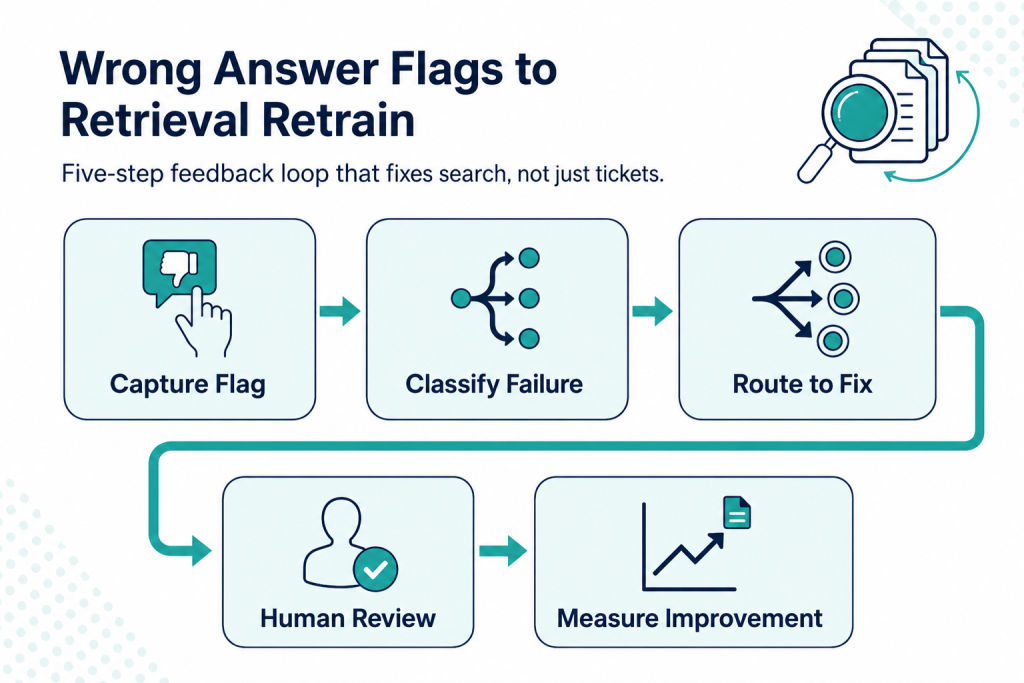
Negative Feedback Loops: How Enterprises Use “Wrong Answer” Flags to Retrain Retrieval, Not Just Log Complaints

A negative feedback loop in enterprise AI is a closed system where a user's "wrong answer" flag does more than get logged in a ticket; it changes what the retrieval system fetches the next time a similar question is asked.

Read more

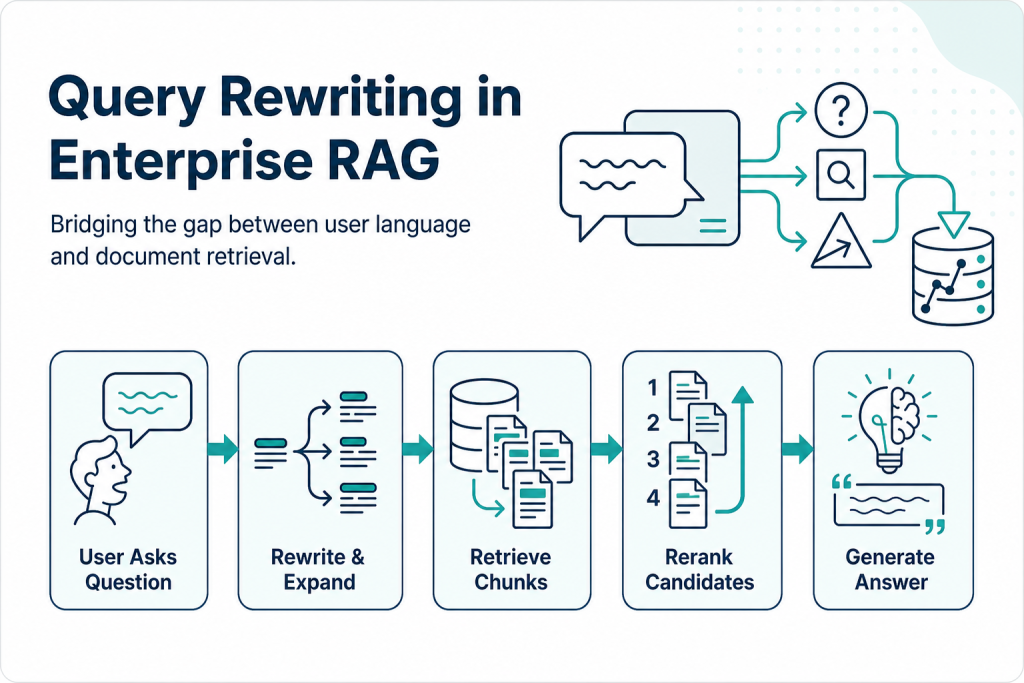
Query Rewriting in Enterprise RAG: Why What Users Type Isn’t What the Retriever Should Search

Query rewriting is the step in a retrieval-augmented generation (RAG) pipeline where a user's raw question is transformed into one or more alternate queries before retrieval runs, closing the gap between how people phrase questions and how documents are actually indexed and

Read more

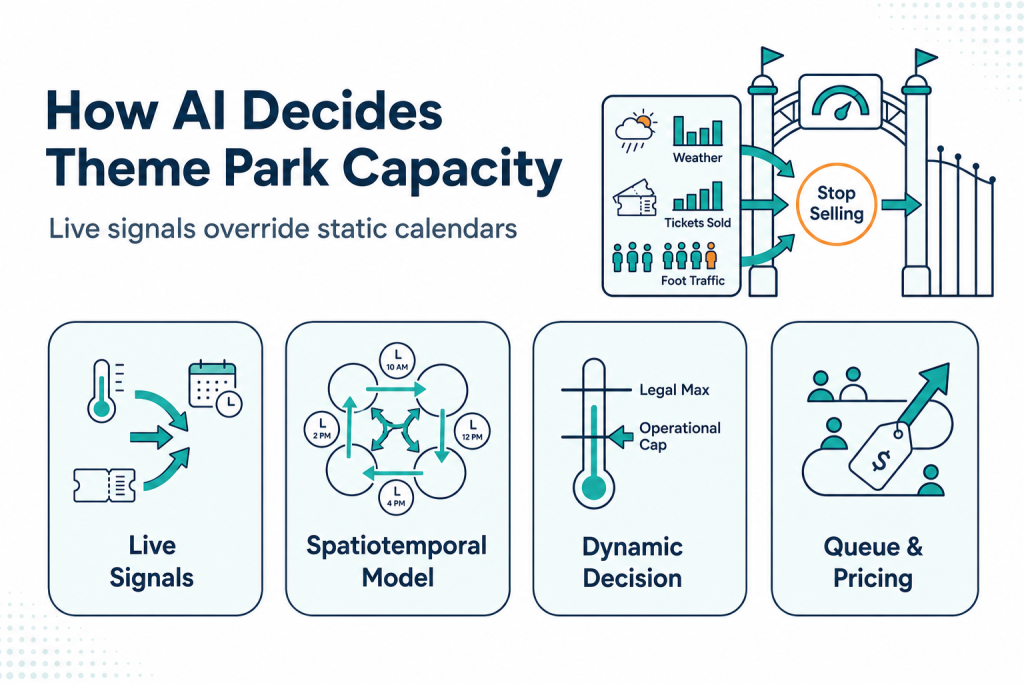
Theme Park Capacity Caps: How AI Crowd Forecasts Decide When to Stop Selling Tickets

Theme parks stop selling tickets for a given day when a forecasting system predicts that incoming attendance will push a park past a safe or comfortable occupancy threshold, not when a fixed daily number is hit.

Read more

Stay in the loop

Get Fooyo news in your inbox.

Product updates and field notes on shipping AI. One email a month, no noise.