Fooyo blog

Blog

Longer reads on what we are building, and what we are learning while shipping it.

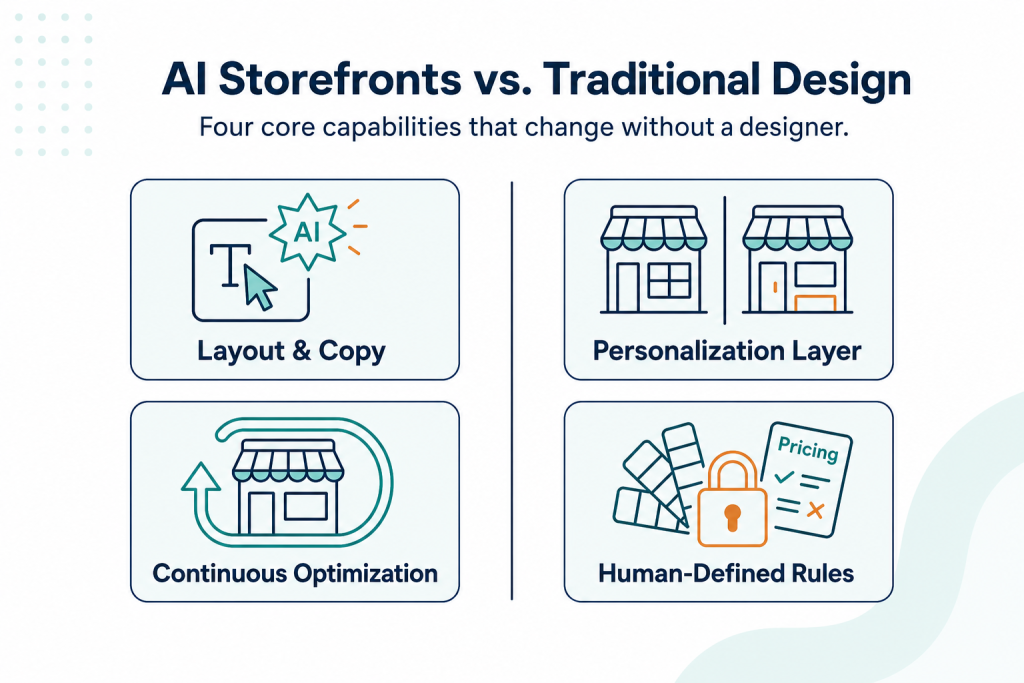
Storefront Theme Customization Without a Designer: How AI Merchandising Handles Brand Look and Feel

A business can now produce a storefront that looks and behaves like its brand without hiring a designer or a developer, because AI merchandising tools generate layouts, imagery, and copy directly from a brief and then keep adjusting them as customer behavior changes.

Read more
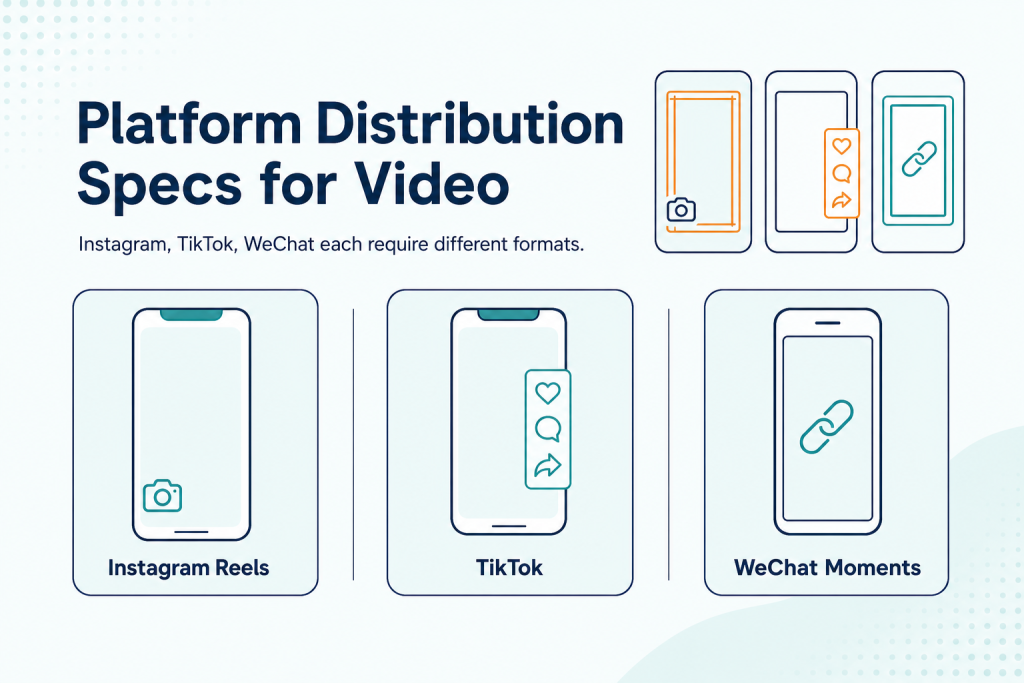
Platform Distribution Specs: Why One AI-Generated Video Rarely Fits Instagram, TikTok, and WeChat Channels Unmet

A single video file exported from an AI marketing video generator will not perform equally well on Instagram, TikTok, and WeChat, because each platform enforces different dimensions, codecs, bitrates, safe zones, and file size limits.

Read more

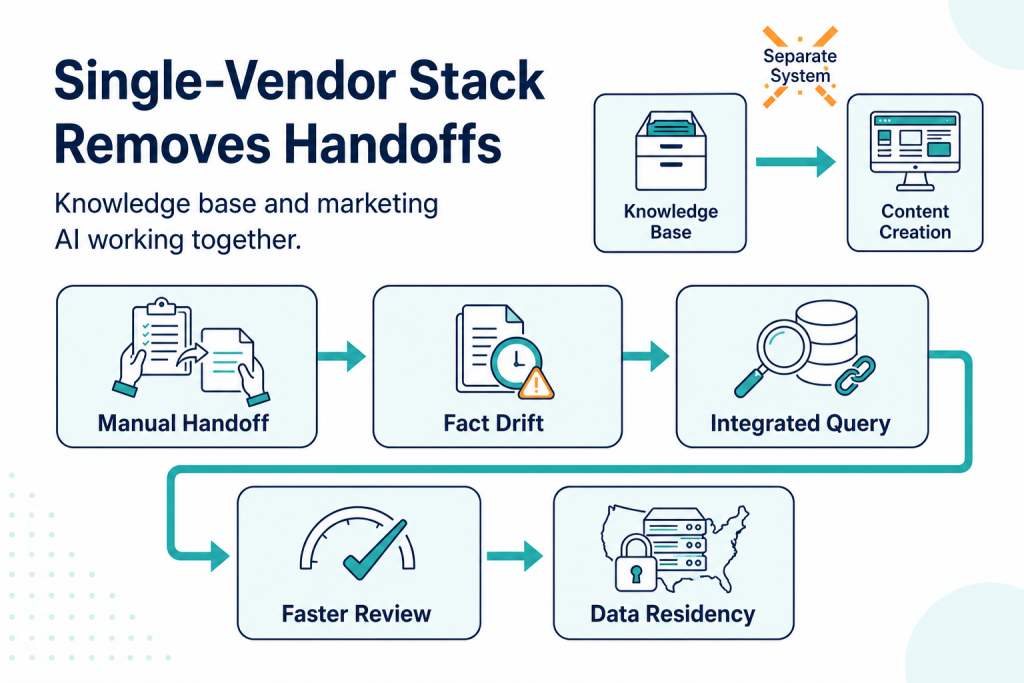
Combining AI Knowledge Bases and Marketing AI: What a Single-Vendor Stack Actually Saves in Handoffs

When a knowledge base and a marketing AI tool come from two different vendors, every campaign idea has to pass through a manual handoff: someone pulls facts from the knowledge system, reformats them, and feeds them into a separate content tool that knows nothing about what was

Read more

WeChat Mini Program CRM Sync: Connecting Singapore Loyalty Programs to WeChat Member Data Without Duplicate Records

Syncing a Singapore loyalty program with a WeChat Mini Program means reconciling two member identities, your CRM's local customer record and WeChat's OpenID/UnionID system, into a single source of truth, so a customer who scans a QR code in Orchard Road and later opens the Mini

Read more

Versioning AI Agents in Production: How Enterprises Roll Back a Workflow Without Downtime

Rolling back an AI agent in production means restoring a previous, known-good version of its full behavioral state, prompts, model settings, tool definitions, and guardrails, without interrupting the live workflow it supports.

Read more

Hybrid Search vs. Pure Vector Retrieval: Why Enterprise RAG Systems Need Keyword Fallback

Pure vector retrieval alone is not reliable enough for production retrieval augmented generation (RAG) systems because dense embeddings routinely miss exact identifiers, product SKUs, error codes, and regulatory clause numbers that have no real semantic meaning to a language

Read more

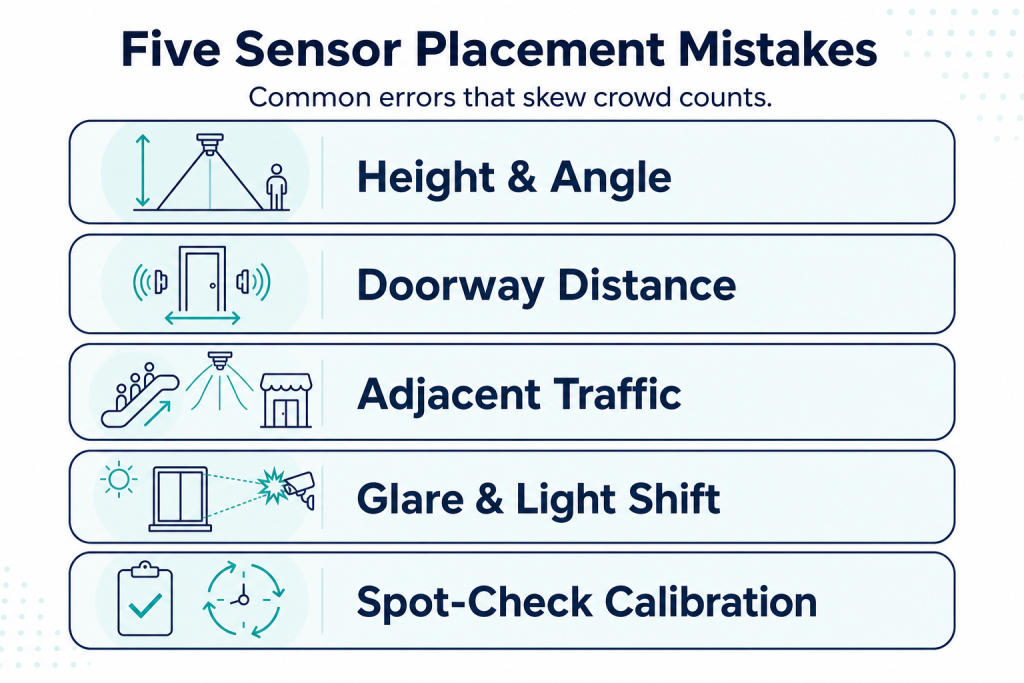
Sensor Placement Mistakes That Skew Crowd Counts: A Field Guide for Mall and Attraction Operators

Most crowd count errors at malls and attractions do not come from bad sensors. They come from sensors placed in the wrong spot, at the wrong height, or pointed at the wrong angle. An overhead people counter mounted too close to a doorway will double-count shoppers who pause to

Read more

AI Skills Shortages in Southeast Asia: Why Enterprises Are Choosing Managed Delivery Over In-House Hiring

Enterprises across Southeast Asia are increasingly choosing managed AI delivery over building internal AI teams, because the region's talent gap makes in-house hiring slow, expensive, and risky for production timelines.

Read more

WeChat Mini Program Maintenance After Launch: Who Handles WeChat’s Quarterly API Changes

WeChat's platform team owns the runtime, the SDKs, and the API documentation. Everything downstream of that, updating your Mini Program's code so it still works after those changes ship, is the developer's responsibility, whether that's an in-house team, a freelancer, or an

Read more

Stay in the loop

Get Fooyo news in your inbox.

Product updates and field notes on shipping AI. One email a month, no noise.