Fooyo blog

Blog

Longer reads on what we are building, and what we are learning while shipping it.

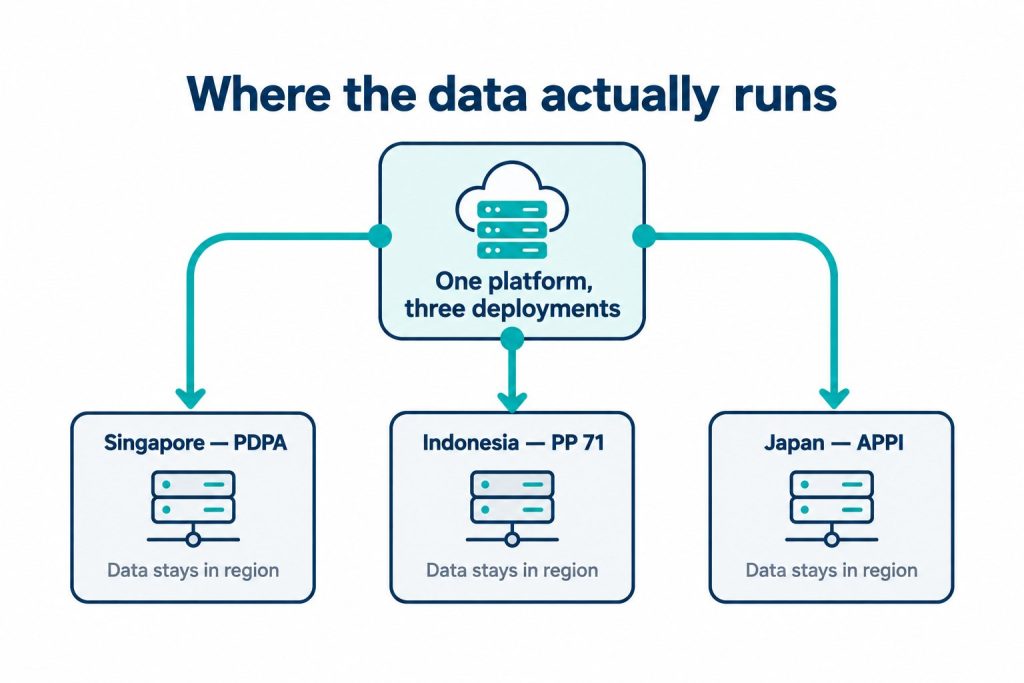
Data Residency in Southeast Asia: What Singapore, Indonesia, and Japan Rules Mean for Where Your AI Actually Runs

When a company deploys an AI system in Singapore, Indonesia, or Japan, the question that actually determines architecture isn't "is this legal" but "where does the data physically sit, and what has to happen before it crosses a border." None of the three markets impose a blanket

Read more
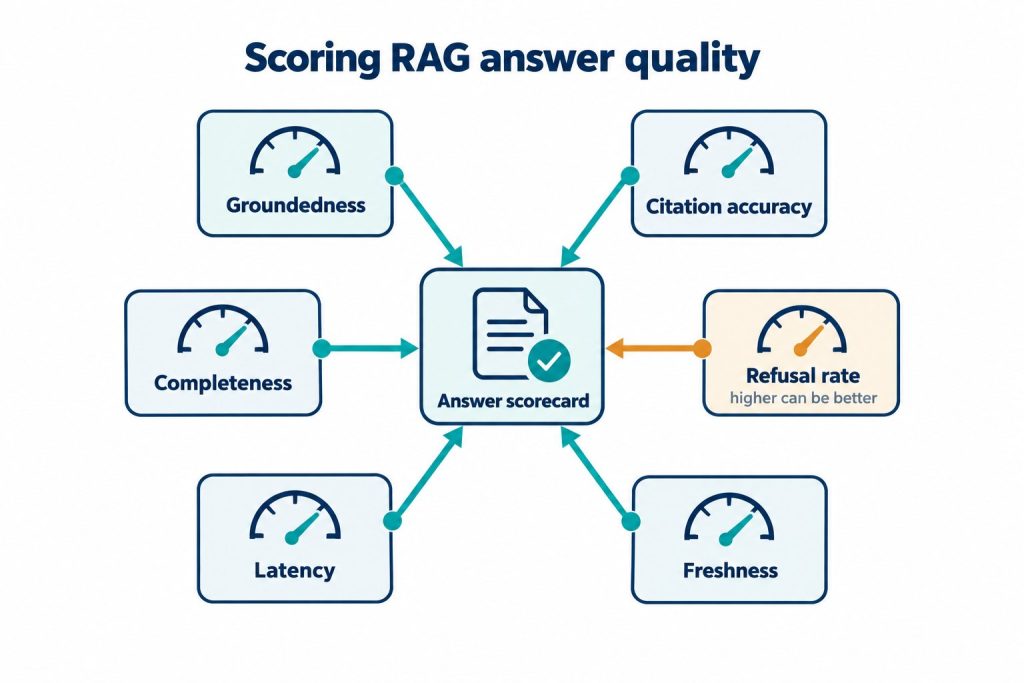
How to Measure RAG Answer Quality: A Practical Scorecard for Enterprise Knowledge Base Buyers

RAG answer quality is measured across two separate layers: retrieval quality (did the system pull the right source documents) and generation quality (did the model produce an answer that is faithful to those documents and actually useful to the person asking).

Read more

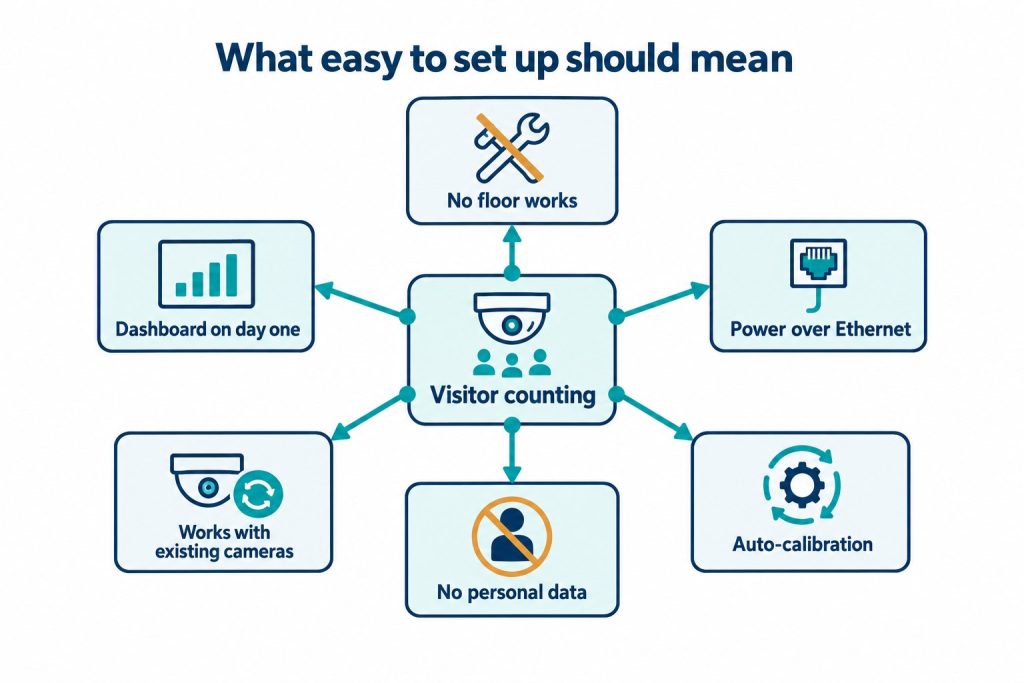
Visitor Counting Systems for Mid-Size Malls: What “Easy to Set Up” Should Actually Mean

"Easy to set up" for a visitor counting system should mean a defined 2 to 4 week rollout covering site assessment, sensor installation, and configuration, with counting accuracy that holds at 95 percent or higher once the system is live, not just on day one.

Read more

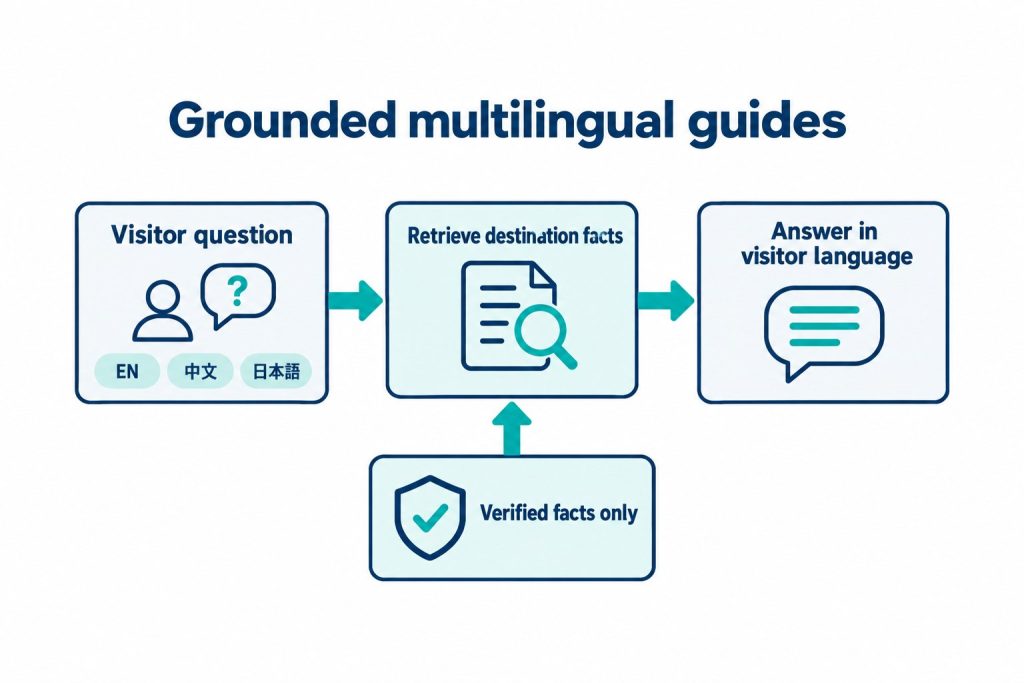
AI Tour Guides That Actually Ground Answers: Building Multilingual Destination Assistants Without Hallucinated Facts

An AI tour guide app is only useful if what it tells visitors is true, and the way you get there is by grounding every answer in a verified source document rather than letting a language model guess from its training data.

Read more

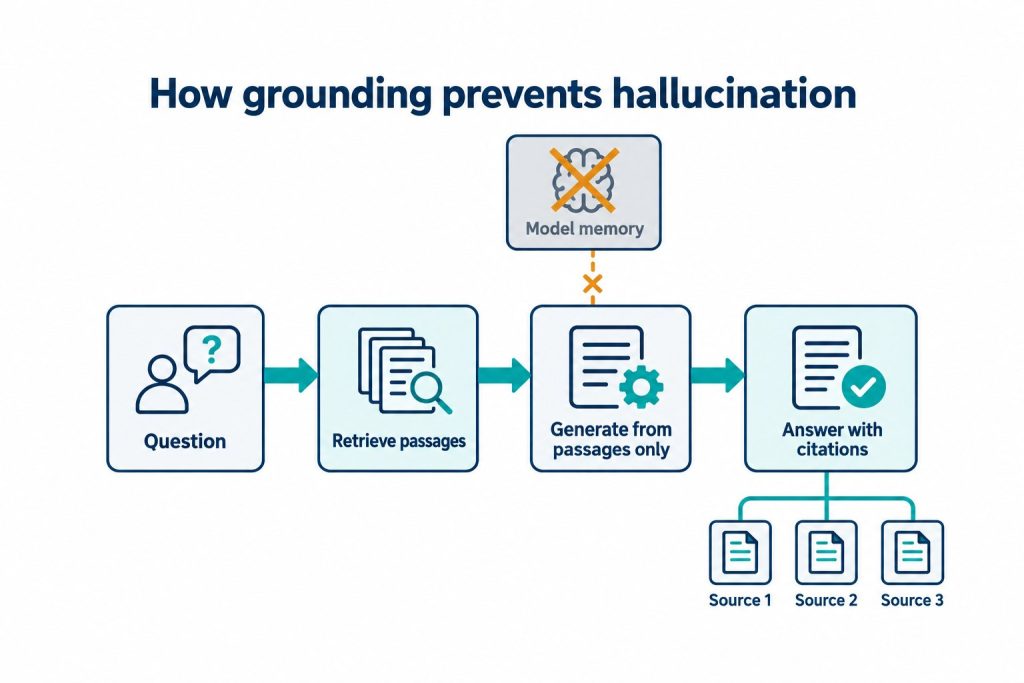
Source-Cited Answers, Explained: How Grounded RAG Actually Prevents Hallucination

Grounded retrieval-augmented generation (RAG) reduces AI hallucination by forcing a language model to base its answer on specific retrieved documents, and by attaching a citation to each claim so a human can check it against the source.

Read more

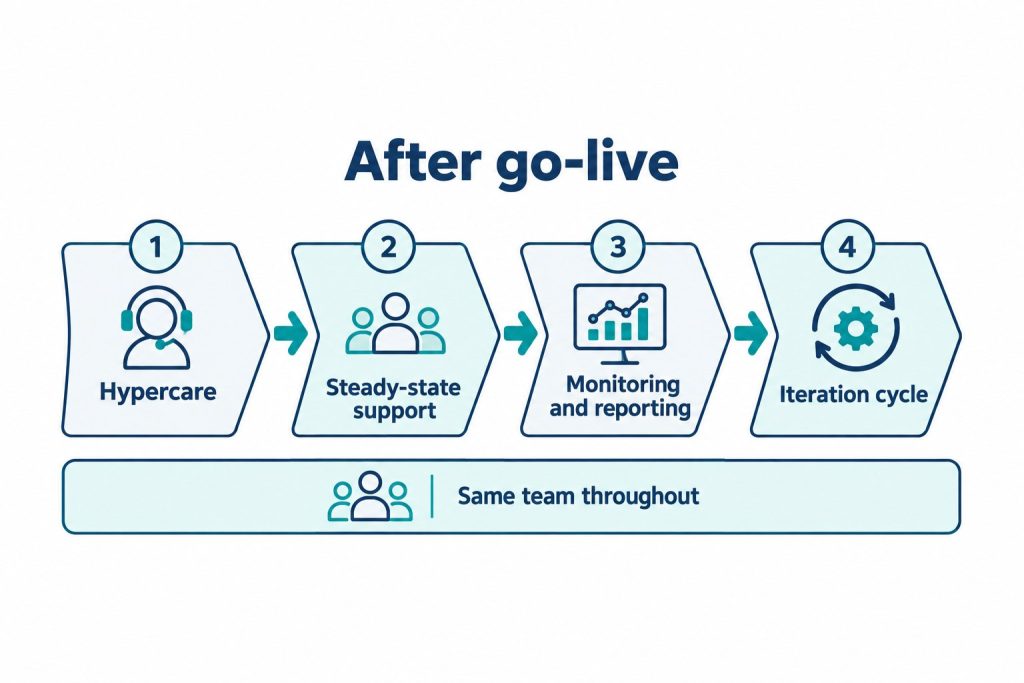
What Happens After Go-Live: How Fooyo Structures Ongoing Support and Operation Contracts

Going live is the midpoint of an AI project, not the finish line. The work that determines whether an AI knowledge base or automation system actually delivers value happens in the months after launch: monitoring accuracy, adjusting workflows as business processes shift, patching

Read more

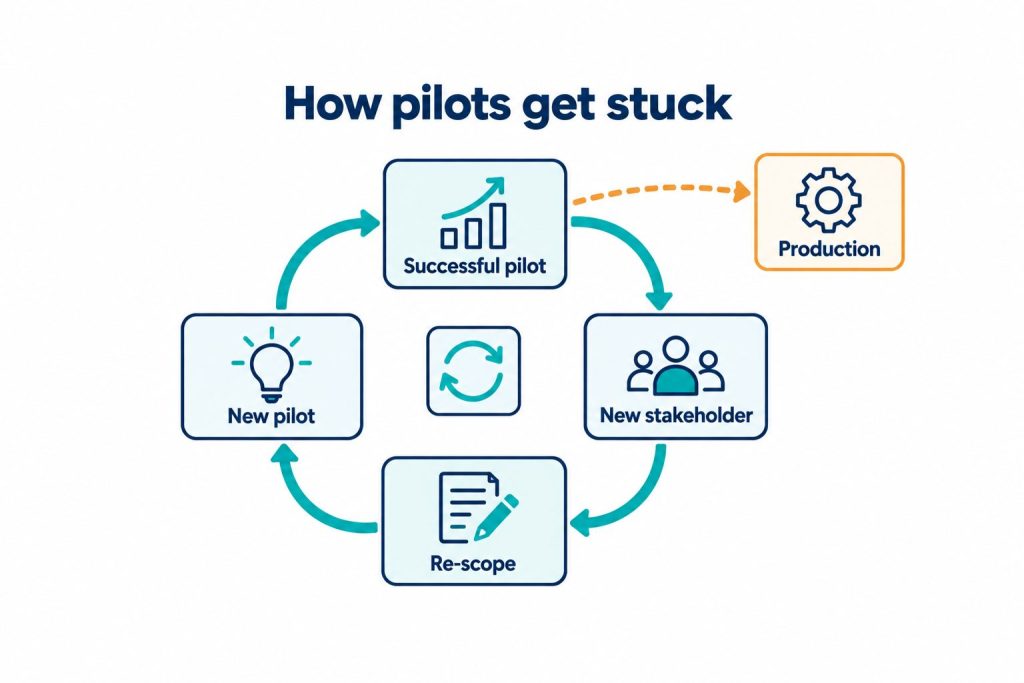
Why “Pilot Purgatory” Happens: Five Deployment Mistakes That Keep Enterprise AI From Reaching Production

Pilot purgatory is the state where an enterprise AI project neither fails outright nor ships to production. It sits in a demo environment, gets shown in quarterly reviews, and never touches a real workflow.

Read more

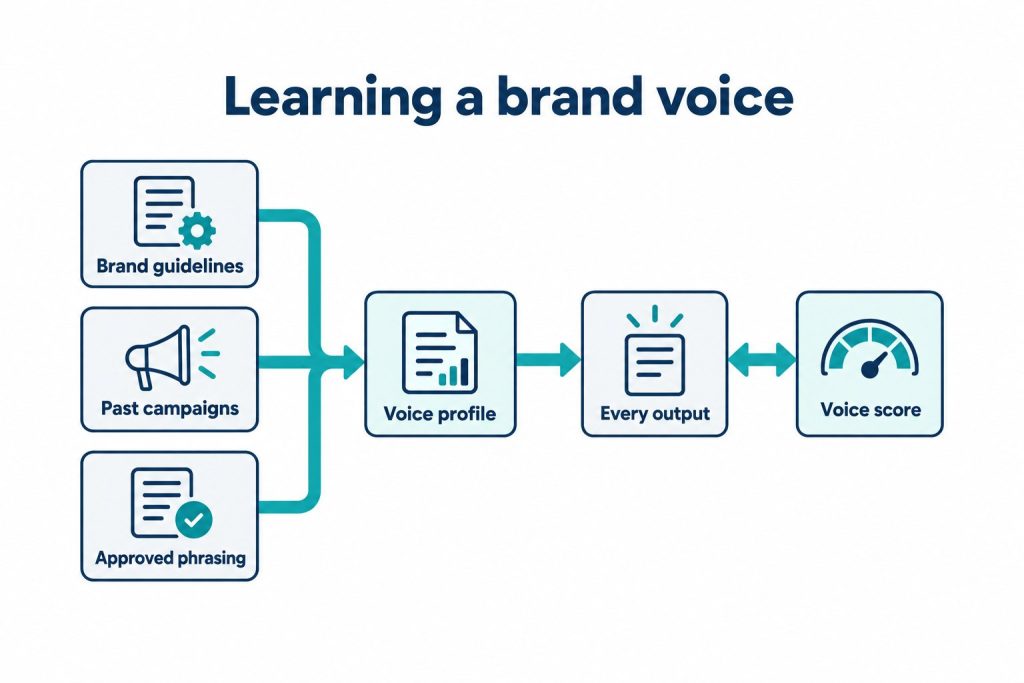
Brand Voice at Scale: How Multi-Modal AI Agents Learn to Sound Like Your Company, Not a Template

A brand-tuned AI video agent works by ingesting a company's existing content (past scripts, brand guidelines, tone-of-voice documents, visual assets) and using that material as a constraint on every new output, rather than generating from a generic model default.

Read more

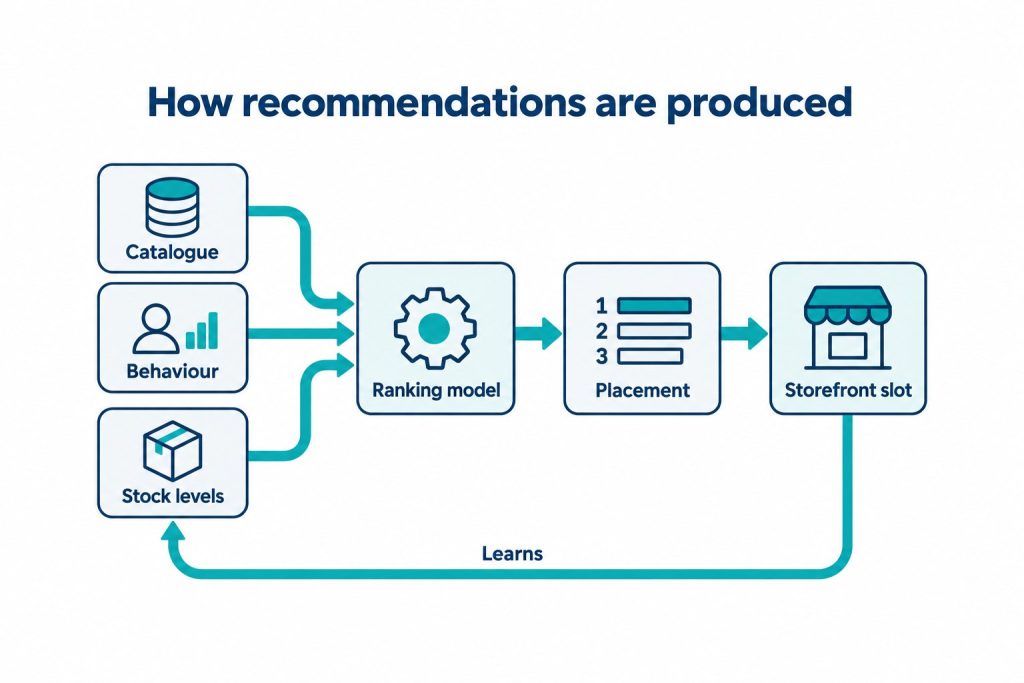
AI Merchandising Explained: How Automated Product Recommendations Actually Work Behind the Scenes

AI merchandising is the use of machine learning models to decide what products a shopper sees, in what order, and at what price, based on real-time data about that shopper's behavior and the behavior of everyone like them.

Read more

Stay in the loop

Get Fooyo news in your inbox.

Product updates and field notes on shipping AI. One email a month, no noise.