Fooyo blog

Blog

Longer reads on what we are building, and what we are learning while shipping it.

Chunking, Embeddings, and Retrieval Tuning: The Technical Choices That Decide Whether Your RAG System Actually Works

A retrieval-augmented generation (RAG) system works or fails based on three technical decisions made before a single question is ever asked: how documents get split into chunks, which embedding model turns those chunks into searchable vectors, and how the retrieval layer is

Read more
Multi-Document RAG for Legacy File Shares: How Enterprises Turn Decades of PDFs Into Answerable Knowledge

Multi-document RAG (Retrieval-Augmented Generation) is the technique that lets a large language model answer questions by pulling relevant passages from thousands of scattered files, contracts, scanned PDFs, spreadsheets, and old file shares, rather than relying on what it

Read more

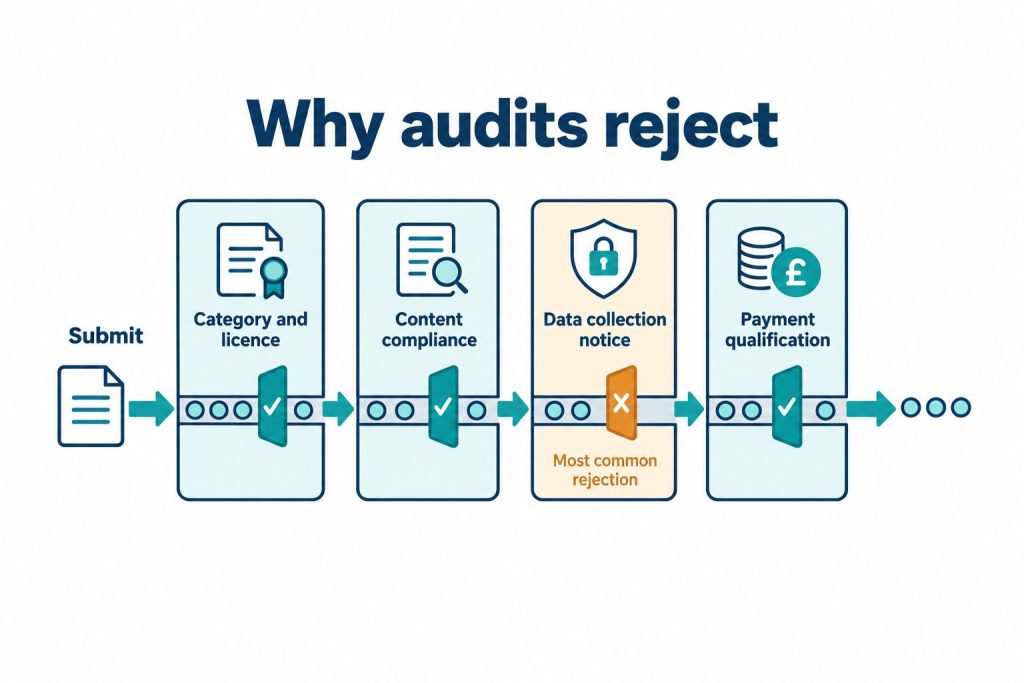
WeChat Mini Program Approval Delays: Common Audit Rejections and How to Avoid Them

WeChat Mini Program submissions are officially reviewed within 7 working days, but that number only holds if the submission is clean on the first pass. Most delays don't come from Tencent's review queue moving slowly; they come from resubmission cycles triggered by avoidable

Read more

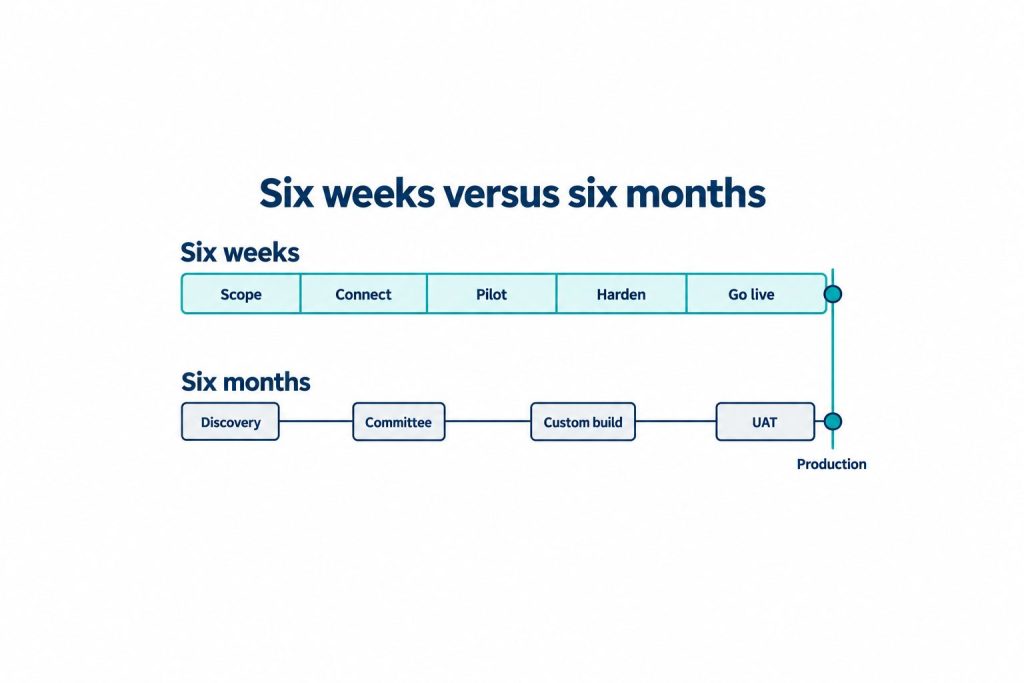
Six Weeks to Production: What a Realistic AI Budget Timeline Looks Like Compared to a Six-Month Build

A six-week AI deployment and a six-month AI deployment are not the same project scaled differently. They are different delivery models with different cost structures, different governance assumptions, and different risk profiles.

Read more

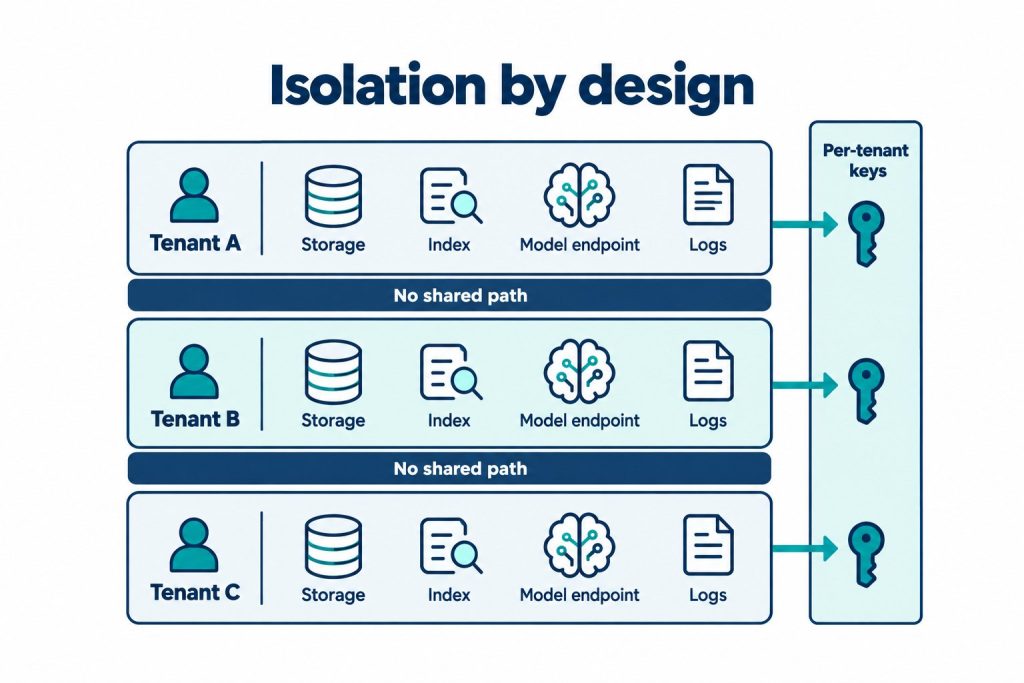
How Fooyo Isolates Client Data by Design: A Look at Private-Cloud Architecture for AI Agents

Fooyo isolates client data by deploying every AI agent, knowledge base, and automation workflow into the client's own private cloud environment rather than a shared, multi-tenant public AI model.

Read more

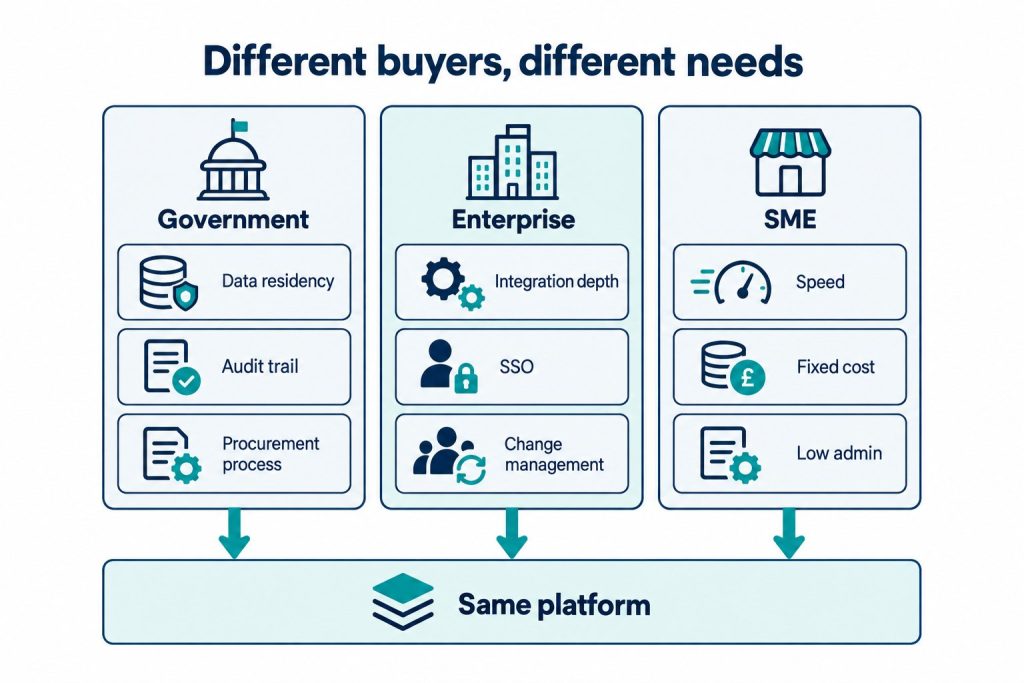
From Government Agencies to SMEs: What Different Client Types Actually Need From an AI Vendor

A government agency, a listed enterprise, and a family-run SME will all ask an AI vendor for "an AI system" and mean three completely different things. The agency needs data that never leaves domestic servers and an audit trail that survives scrutiny.

Read more

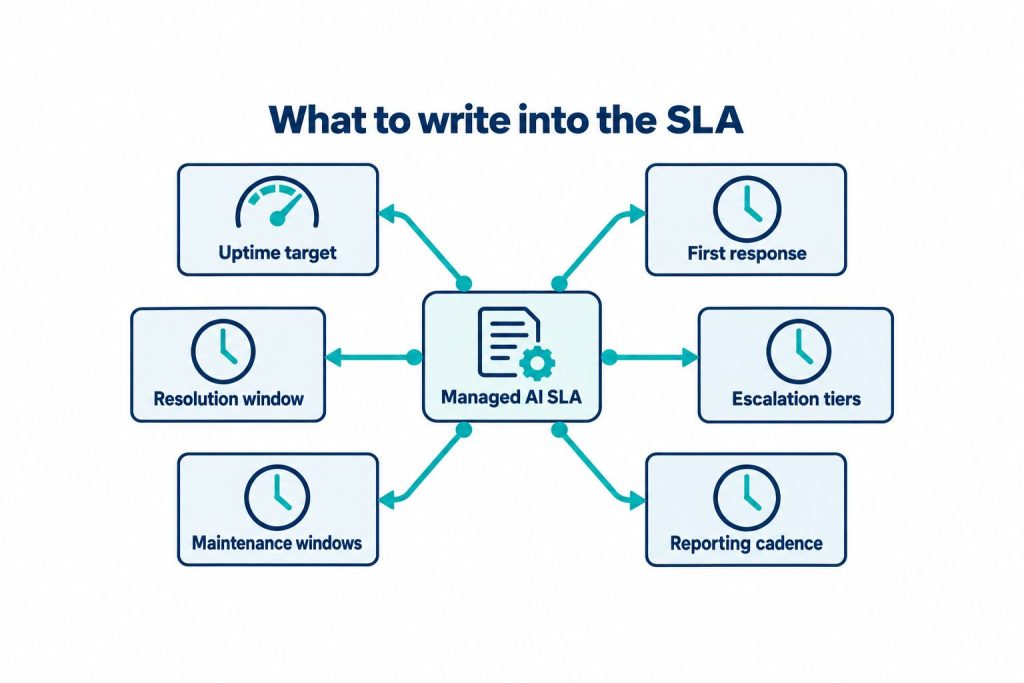
Managed AI Service Level Agreements: What Uptime and Response Times to Demand From Your Vendor

A managed AI service level agreement should specify at minimum three things: an uptime commitment stated as a percentage with its corresponding downtime allowance, a response time target measured in milliseconds or seconds depending on the workload, and a penalty structure that

Read more

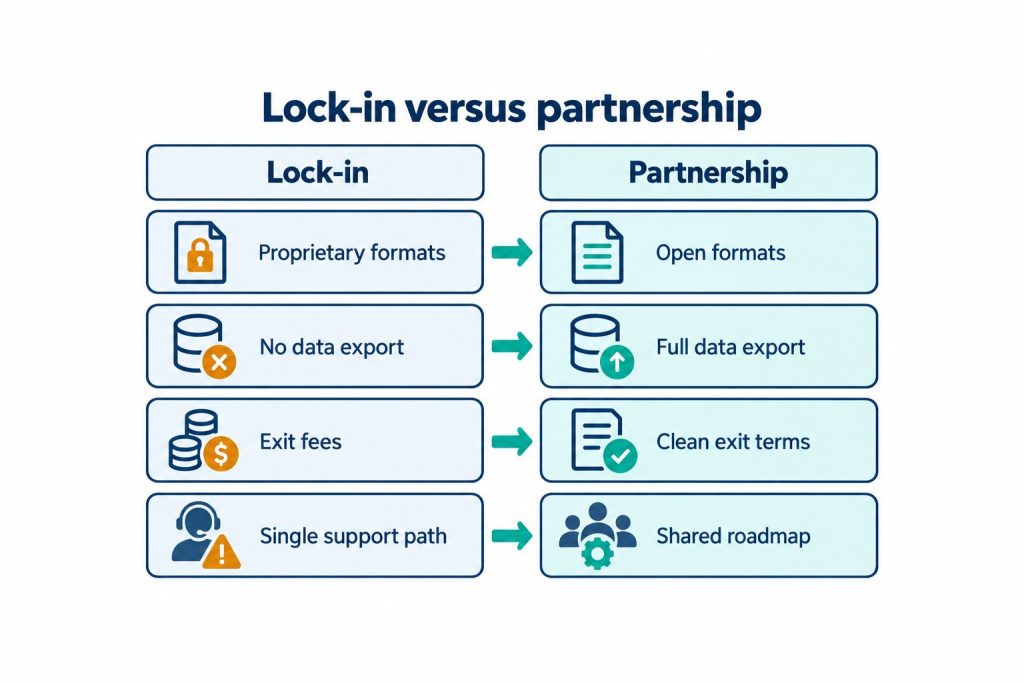
Vendor Lock-In or Vendor Partnership? Questions That Reveal the Difference Before You Deploy

The difference between vendor lock-in and a vendor partnership comes down to four testable things: who controls the data, who controls the model, what it costs to leave, and how the contract is written.

Read more

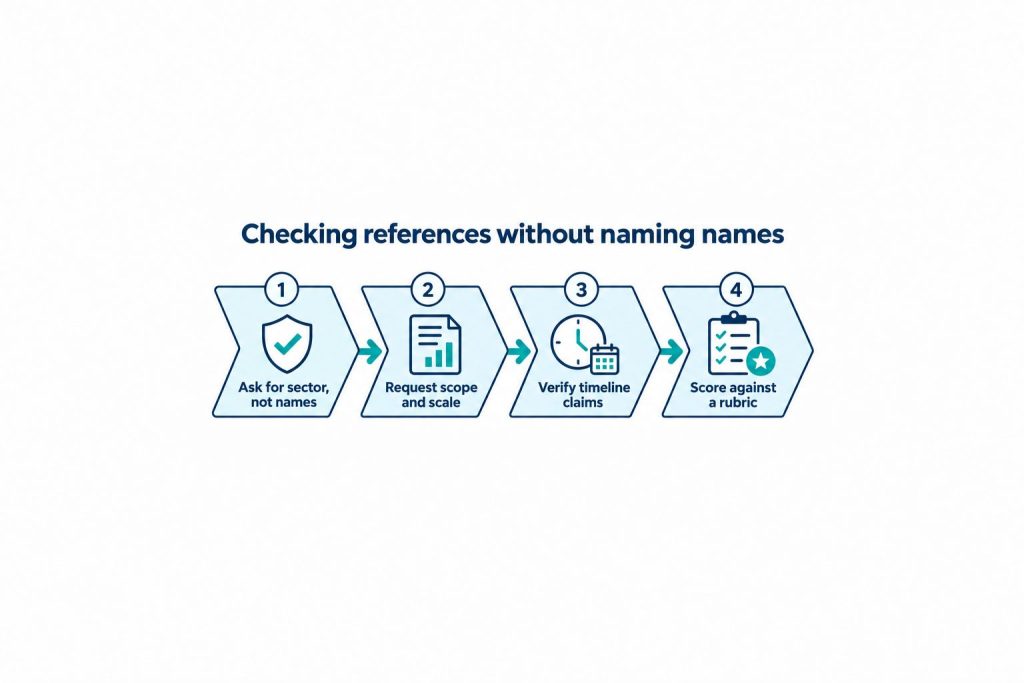
How to Score an AI Vendor’s References Without Naming-and-Shaming: A Due-Diligence Framework for Asia

Checking an AI vendor's references properly means scoring live production systems against a fixed set of criteria (deployment duration, data handling, retrieval accuracy, compliance posture) without ever requiring the vendor to disclose which named client said what.

Read more

Stay in the loop

Get Fooyo news in your inbox.

Product updates and field notes on shipping AI. One email a month, no noise.